
Introduction: A new kind of Tobacco Law
When the Maldives announced its generational smoking ban in 2025, it became the first nation on Earth to tell an entire generation: you will never be allowed to smoke. From November 1st onward, anyone born on or after January 1, 2007 can’t legally buy, use, or be sold tobacco – not even tourists visiting its famous island resorts. The aim? To create what officials proudly call a “tobacco-free generation.” It’s a daring step in a world still deeply entangled with nicotine. According to the World Health Organization (WHO), tobacco kills more than seven million people each year – and an additional 1.6 million die from secondhand smoke. Despite decades of progress, WHO says one in five adults still uses tobacco in 2025.
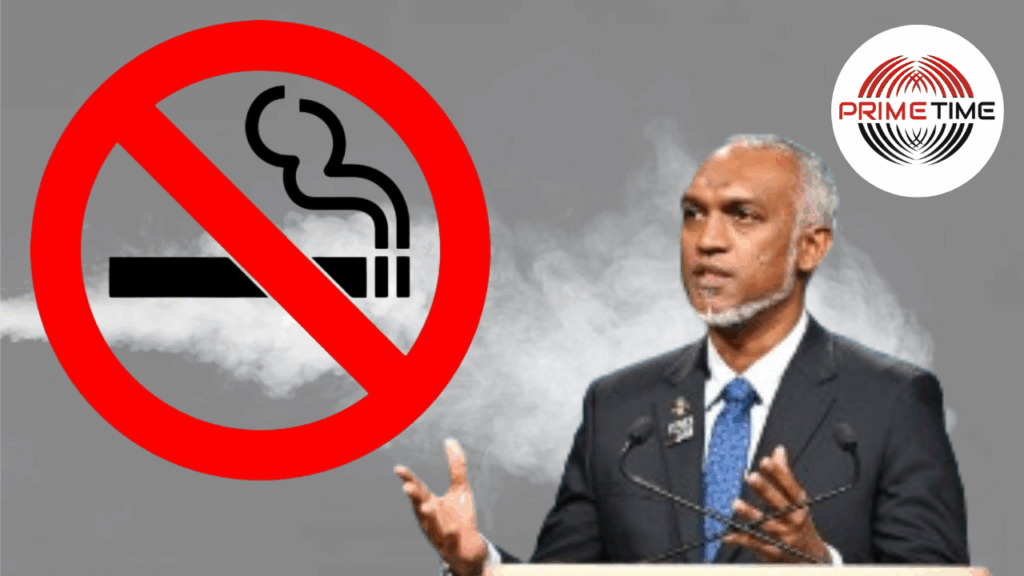
Why the Maldives Took This Step
The Maldives’ government, led by President Mohamed Muizzu, passed the law earlier in 2025 as part of a broader effort to protect youth health and meet WHO’s Framework Convention on Tobacco Control goals.
- The ban applies to all tobacco products, including cigarettes, cigars and chewing tobacco.
- Fines up to MVR 50,000 (USD 3,200) apply to anyone selling tobacco to a banned cohort.
- Vaping and e-cigarettes were already outlawed for all age groups earlier this year.
- The policy also covers tourists, meaning enforcement extends to resorts and public spaces.
Health officials describes the move as a moral and medical imperative – one that aims to stop addiction before it starts.
The Pros: Why a Generational Smoking Ban Could Work
- Preventing Addictive Before It Begins: Most smokers start young. Once hooked, quitting can take years – if not decades. WHO data shows that youth prevention is far more effective than adult cessation campaigns. By cutting off access entirely, the Maldives hopes to prevent new smokers from ever forming the habit, dramatically reducing long-term disease and healthcare costs.
- Long-Term Health and Economic Gains: Fewer smokers mean fewer hospital admissions, lower rates of cancer and heart disease, and less public spending on healthcare. The WHO estimates tobacco-related illnesses cost countries over US $1 trillion annually in medical care and lost productivity.
- Shifting Social Norms: Just as smoke-free restaurants once felt radical but are now standard, a generational ban could make smoking socially obsolete. Children born after 2007 may grow up without ever seeing cigarettes as “normal.”
- Aligning with Global Health Goals: The policy mirrors the WHO MPOWER strategy – especially the “Prevent initiation” and “Enforce bans” pillars – making the Maldives a potential model for other small nations.
The Cons: What Could Go Wrong
- Enforcement and Smuggling Risks: Tracking birth years and policing illegal sales is no small task. Previous cigarette tax hikes in the Maldives already led to a rise in smuggled brands. Without proper monitoring, a black market could undermine the ban.
- The Fairness Dilemma: Critics argue the policy draws an arbitrary moral line: older citizens can buy cigarettes, younger ones never can. It could spark rebellious demand.
- Tourism and Compliance Issues: Because the ban applies to visitors, enforcing it across 1,000+ resort islands will require clear communication and consistent penalties. Otherwise, the law risks becoming symbolic rather than effective.
- Unclear Long-Term Data: While the theory makes sense, no country has yet tested a generational tobacco ban for long enough to prove whether it truly reduces addiction or simply pushes it underground.
The Maldives in Context
UNICEF’s 2025 Youth Tobacco Survey showed that Maldivian teenagers are aware of smoking’s dangers but remain exposed to peer pressure and online promotion. By combining the generational ban with education and social-media awareness campaigns, the government hopes to change behavior at both individual and cultural levels. Still, enforcement will be key. Selling or gifting cigarettes to banned cohorts carries fines and possible business license suspensions – but ensuring compliance across scattered islands and tourist zones will test the system’s strength.
The Global Picture
The Maldives’ move follows earlier (and sometimes reversed) attempts elsewhere. New Zealand passed a similar law in 2022 but repealed it in 2023 before enforcement. The UK Parliament is currently debating its own version of a tobacco-free generation bill.
Globally, WHO warns of a new threat: e-cigarettes and vaping. The agency estimates at least 15 million teenagers worldwide now use e-cigarettes – often marketed as “safer” alternatives despite evidence of nicotine dependence.
By banning both tobacco and vapes, the Maldives may have sidestepped that trap. But sustained monitoring will determine whether the policy holds.
What Success Could Look Like: If the Maldives’ approach works, the first generation affected – those born after 2007 – could grow up largely tobacco-free. Within two or three decades, the country could see:
- A major drop in smoking-related illness
- Reduced healthcare costs
- A cultural shift away from nicotine use altogether
That outcome would make the Maldives not just a vacation paradise, but a public-health pioneer.
Conclusion: A Quite Revolution in Public Health
Ending smoking has long seemed impossible. But maybe the answer isn’t convincing smokers to quit – it’s ensuring future generations never start.
The Maldives’ generational smoking ban is a bold bet on that philosophy. It’s not without flaws, but it’s undeniably courageous. If successful, this small island nation may inspire other to imagine a world where the last cigarette is simply never lit.
References
- World Health Organization (WHO) – Tobacco fact sheets (2025)
- UNICEF Maldives Youth Tobacco Survey (2025)
- The Business Standard, Khaleej Times, Anadolu Agency, Times of India (2025 Coverage)
- WHO MPOWER Report (2025)